

Double Glazed Repairs
FollowOverview
-
Founded Date March 3, 1927
-
Sectors Advertising, PR, MR, Event Management
-
Posted Jobs 0
-
Viewed 3
Company Description
10 Life Lessons That We Can Learn From Door Repairs
UPVC Door Repairs: A Comprehensive Guide for Homeowners
UPVC (Unplasticized Polyvinyl Chloride) doors have actually gained remarkable popularity due to their resilience, energy effectiveness, and low maintenance requirements. However, like any home feature, they are not unsusceptible to wear and tear. House owners may deal with concerns varying from small adjustments to substantial repairs that need specific attention. This article aims to provide a detailed introduction of typical UPVC door problems, how to address them, and when to think about professional help.
Common UPVC Door Problems
The first action in repairing a UPVC door is identifying the concern. Below are some common problems that occur with UPVC doors:
- Difficulty in Closing or Opening: Often triggered by misalignment or swelling due to wetness.
- Lock Problems: This can range from a jammed lock to a total failure of the locking mechanism.
- Drafts and Inadequate Insulation: A bad seal around the door causes energy loss.
- Physical Damage: Dents, scratches, or fractures from physical effect or ecological elements.
- Used Weather Seals: This can cause drafts and moisture seeping into the home.
Table 1: Common Issues with UPVC Doors
| Issue | Symptoms | Possible Causes |
|---|---|---|
| Problem in Closing/Open | Door feels stiff or will not close fully | Misalignment, wetness swelling |
| Lock Issues | Lock jammed or can not engage | Rusty parts, misalignment |
| Drafts | Feeling cold air around the door | Used seals, poor installation |
| Physical Damage | Visible dents or fractures | Effect, severe weather |
| Used Weather Seals | Water or air leakage | Age, lack of maintenance |
Do It Yourself Repair Techniques
Many UPVC door repairs can be taken on by homeowners with standard handyman skills. Here are some typical DIY techniques:
1. Adjusting The Door Alignment
Misalignment can happen due to the natural settling of the house or ecological aspects. To align the door:
-
Tools Needed: Screwdriver, level.
-
Steps:

- Check the hinges for loose screws.
- Tighten any loose screws you find.
- Use a level to examine the door’s vertical positioning and change the hinges to remedy any inconsistencies.
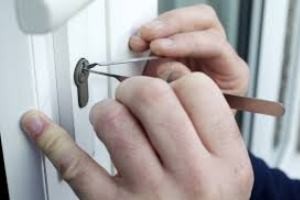
2. Lubricating Locks and Hinges
A sticky lock or hinge can be fixed quickly through lubrication:
-
Tools Needed: Lubricant (like silicone spray), fabric.
-
Steps:
- Clean the lock and hinge with a cloth.
- Spray lubricant into the lock and on the hinge to decrease friction.
- Move the door back and forth to integrate the lubricant.
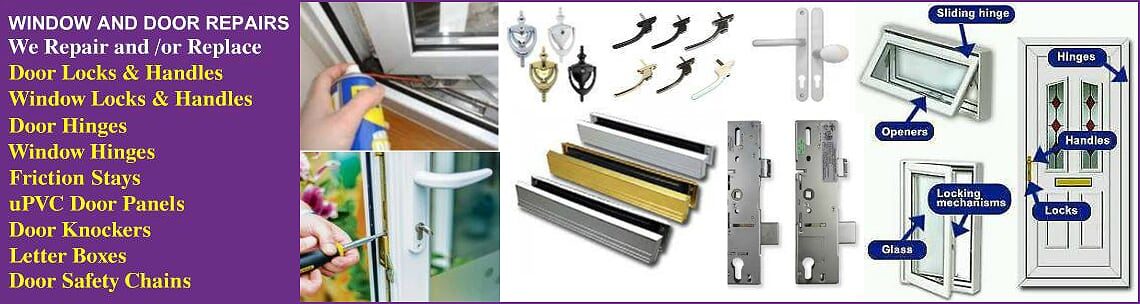
3. Changing Weather Seals
Worn seals add to energy inefficiency. Follow these actions to replace them:
-
Tools Needed: Utility knife, weather condition seal tape.
-
Actions:
- Remove the old seal using an utility knife.
- Tidy the area where the seal was positioned.
- Cut the brand-new weather condition seal to fit and apply it along the door frame, ensuring a tight fit without gaps.
When to Call a Professional
While some concerns can be resolved through DIY methods, others need professional proficiency. Think about getting in touch with a specialist for:
- Significant Damage: If the door is thoroughly damaged or warped.
- Complex Lock Mechanisms: If the locking system stops working or has actually jammed totally.
- Numerous Issues: If the door presents several problems at the same time, expert evaluation may be essential.
FAQs
1. How typically should I perform maintenance on my UPVC door?
It is a good idea to examine your UPVC door a minimum of twice a year for wear and tear, especially before and after severe weather.
2. Can I paint my UPVC door?
Yes, you can paint UPVC doors using a specifically formulated paint developed for plastic surfaces.
3. What is the life-span of a UPVC door?
With proper care and maintenance, a UPVC door can last 20-30 years, which is substantially longer than standard wood doors.
4. Are UPVC doors environmentally friendly?
UPVC doors can be recycled at the end of their life cycle, making them an environment-friendly choice compared to materials that are not recyclable.
5. How can I enhance the insulation of my UPVC door?
Changing old weather seals, guaranteeing correct alignment, and adding a threshold strip can all boost the insulation of your UPVC door.
UPVC doors are a reputable and low-maintenance alternative for homeowners, however they are not immune to concerns developing from daily use, ecological factors, and age. Comprehending typical issues and executing basic repair double glazing windows strategies can extend the life of these doors and ensure they continue to operate successfully. Nevertheless, for more intricate concerns, seeking advice from with a professional guarantees that repairs are carried out correctly, preserving the door’s efficiency and security. By being proactive and mindful to the condition of your UPVC doors, house owners can delight in the benefits of these long lasting fixtures for several years to come.